اخبار
| ||
| به نقل از واحد خبری ngdir
| ||
+ نوشته شده در چهارشنبه بیست و هفتم تیر ۱۳۸۶ ساعت 13:23 توسط محمد سجاد جوادی نسب
|
| ||
| به نقل از واحد خبری ngdir
| ||
از علاقه مندان به کتابهای الکترونیکی دعوت می کنیم به این بخش از سایت gsi مراجعه فرمایند.
Bored Tunnel through the Green Heart of Holland
Between the town of Leiderdorp and the village of Hazerswoude, the high-speed trains will travel through a tunnel of 7 kilometres long. It was decided to bore the tunnel to spare the typical peaty grasslands of the Green Heart Area. Together with the bridge over the Hollandsch Diep Waterway, the Bored Green Heart Tunnel is the most impressive construction of the HSL

Because the tunnel is bored, hardly any digging is needed in the Green Heart Area, which minimises environmental damage and disruption due to the construction
The bored tunnel starts at Leiderdorp, close to the Does canal. Just south of Westeinde, a long streched street in Hazerswoude-Dorp, the tunnel surfaces again. The high-speed train will speed through the tunnel in approx 90 seconds with a speed varying between 250 and 300 kilometres an hour. The tunnel consists of a single tube with a length of over 7 kilometres. Including access ramps, the tunnel length comes to 8.5 kilometres. The outside diameter of the tunnel tube is almost 15 metres. This size makes the tunnel unique in the world. A concrete wall divides the tunnel in half, creating two separate ducts for the double track. The tunnel was constructed with a purpose-built boring machine

The boring machine, named 'Aurora', started its work from a construction shaft that was 25 metres deep, the so-called start shaft. In view of the boring machine's size, the start shaft measured 30 metres in width and over 80 metres in length. From this shaft, the tunnel boring machine commenced its journey at a depth of 30 metres to the end shaft, 7,160 metres further south. Boring at a depth of 30 metres meant that the boring machine and the hollow tube that was left in its trail had enough earth and weight above them to prevent the whole structure from being pushed upward by the groundwater
The construction process hardly disturbed the groundwater streams, because the 15-20 metres of soil above the tunnel always allows enough space for the groundwater to pass above and under the tunnel

Digging the access ramps
The start and end of the tunnel, the so-called access ramps, where the tunnel descends or rises 30 metres, could not be bored. Accordingly, both the closed and open parts of the access ramps were dug. The access ramps are basically huge concrete tanks – partly with an open roof, partly closed
To affect the groundwater level in the vicinity of the access ramps as little as possible, these concrete tanks were built in sealed-off construction pits, lined with so-called deep walls. The deep wall panels reach 25 metres into the ground and anchor the concrete floors of the two construction pits. Only those parts of the access ramp construction floors that were less deep had to be pile supported
For those parts that were situated at less depth, steel pipes with a diameter of 1 to 1.5 metres were used as piles. This meant heavy-duty piling. When the construction pits allowed for less deep piling, the steel pipes could be replaced by lighter, steel sheet piling, making the piling work also lighter
After driving the sheetpile walls and installing the deep walls, the soil was removed down to a few metres below the bottom of the projected tunnel. When the digging was finished, the excavation had groundwater in it, as was expected. At that point, a watertight floor of underwater concrete was poured on the bottom of the construction pit. To prevent this concrete floor from being pushed up by the groundwater after draining, the floor is held by so-called tension piles
When the construction pits were finished, the tunnel access ramps were built of reinforced concrete. In the meantime, these access ramps and the deep shaft have been covered with earth from the same area. For this reason, this building method is also called cut & cover. The roof and the areas around the access ramps are brought back to the original state as much as possible. The open part of the access ramps remains open and visible
The work on each access ramp took around twelve months
Excess earth
The excess dug-out earth is stored in temporary depots. The final use of this earth was the subject of negotiations with various parties. After removal of the boring fluid and any salt from the partly brackish groundwater, the sand that is released from the bored tunnel may be used for raising terrain or road construction
The total construction of the bored tunnel takes more than five years. Construction started in the autumn of 2000 and will continue to mid 2006. In the last phase, the finishing work on the tunnel is carried out, meaning: laying out rails, and installing overhead wires and safety systems. Most of these activities are done underground and cause relatively little inconvenience. In addition, the surface is restored to its old state as much as possible.
Main features
...... TO BE CONTINUED
Construction
Tunnels are dug in various types of materials, from soft clays to hard rocks, and the method of excavation heavily depends on the ground conditions
Cut-and-cover
Cut-and-cover is a simple method of construction for shallow tunnels where atrench is excavated and roofed over. Strong supporting beams are necessary to avoid the danger of the tunnel collapsing.
Two basic forms of cut-and-cover tunnelling are available
Bottom-up method: A trench is excavated, with ground support as necessary, and the tunnel is constructed within this. The tunnel may be of insitu concrete, precast concrete, precast arches, corrugated steel arches, etc. (Early examples used brickwork.) The trench is then backfilled, with suitable precautions regarding balancing compaction of the backfill material, and the surface is reinstated.
******
Shallow tunnels are often of the cut-and-cover type (if under water, of the immersed-tube type), while deep tunnels are excavated, often using a tunnelling shield. For intermediate levels, both methods are possible
Boring machines
tunnel boring machine (TBMs) can be used to automate the entire tunneling process. There are a variety of TBMs that can operate in a variety of conditions, from hard rock to soft water-bearing ground. Some types, (bentonite slurry and earth-pressure balance machines), have pressurised compartments at the front, allowing them to be used in difficult conditions below the water table. This pressurizes the ground ahead of the TBM cutter head in order to balance the water pressure. The operators work in normal air pressure behind the pressurised compartment, but may occasionally have to enter that compartment to renew or repair the cutters; this requires special precautions, such as local ground treatment or halting the TBM at a position locally free from water. Despite these difficulties, TBMs are now preferred to the older method of tunneling in compressed air, with an air lock/decompression chamber some way back from the TBM, which required operators to work in high pressure and go through decompression procedures at the end of their shifts, much like divers
Until recently the biggest TBM built was used to bore the Green Heart Tunnel (Dutch: Tunnel Groene Hart) as part of the HSL-ZUID in the Netherlands. Its diameter is 14.87 m
Nowadays 4 even larger machines exist: 2 for the M30 ringroad in Madrid, Spain, 2 for the Chong Ming tunnels in Shanghai, China. These machines are 15,2m and 15,4m in diameter respectively. The two machines for Spain were built by Mitsubishi/Dura Fuelgo and Herrenknecht

A tunnel boring machine (TBM) typically consists of one or two shields (large metal cylinders) and trailing support mechanisms.
At the front end of the shield a rotating cutting wheel is located. Behind the cutting wheel there is a chamber where, depending on the type of the TBM, the excavated soil is either mixed with sslurry (so-called slurry TBM) or left as-is. The choice for a certain type of TBM depends on the soil conditions. Systems for removal of the soil (or the soil mixed with slurry) are also present
Behind the chamber there is a set of hydraulic jacks supported by the finished part of the tunnel which are used to push the TBM forward. The action here is very much like an earthworm. The rear section of the TBM is braced against the tunnel walls and used to push the TBM head forward. At maximum extension the TBM head is then braced against the tunnel walls and the TBM rear is dragged forward
Behind the shield, inside the finished part of the tunnel, several support mechanisms which are part of the TBM can be found: dirt removal, slurry pipelines if applicable, control rooms, rails for transport of the precast segments, etc.
The cutting wheel will typically rotate at 1 to 10 rpm (depending on size and geology), cutting the rock face into chips or excavating soil (muck). Depending on the type of TBM, the muck will fall onto a conveyor belt system and be carried out of the tunnel, or be mixed with slurry and pumped back to the tunnel entrance.
Depending on geology and tunnel requirements, the tunnel may be cased, lined, or left unlined. This may be done by bringing in precast concrete sections that are jacked into place as the TBM moves forward, by assembling concrete forms, or in some hard rock geologies, leaving the tunnel unlined and relying on the surrounding rock to handle and distribute the load.
Shields
Modern TBMs typically have an integrated shield The choice of a single or double shielded TBM depends on the type of geology and the excavation speed required.
Double shielded TBMs are normally used in unstable geology, or where a high rate of advancement is required. Single shielded TBMs, which are less expensive, are more suitable to hard rock geology
..... TO BE CONTINUED
A tunnel may be for pedestrains or cyclists, for general road traffiic, for motor vehicles only, for rail traffic, or for a canal. Some are acqueducts, constructed purely for carrying water — for consumption, for hydroelectric purposes or as sewers — while others carry other services such as telecommunication cables. There are even tunnels designed as wild crossing for European badgers and other endengered spicies. Some secret tunnels have also been made as a method of entrance or escape from an area, such as the Cu Chi tunnels or the tunnels connecting the Gaza Stip to Egypt.
In the United Kingdom a pedestrian tunnel or other underpass beneath a road is called a subway. This term was also used in the past in the United States, but is now used to refer to underground rapid transit systems.
The longest canal tunnel is the Standedge tunnel in the United Kingdom, which stretches over three miles

The central part of a rapid transit network is usually built in tunnels. To allow non-level crossings, some lines run in deeper tunnels than others. At metro stations there are usually pedestrian tunnels from one platform to another. Often, ground-level railway station also have one or more pedestrian tunnels under the railway to enable passengers to reach the platforms without having to walk across the tracks. However, in the United Kingdom bridges are an equally popular method of pedestrian access between two or more different railway station platforms
.....TO BE CONTINUED
۞ آشنایی با معدن مس مزرعه ۞
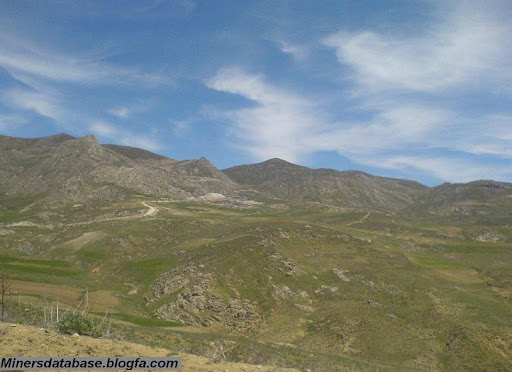
معدن مس مزرعه در 25 کیلومتری شمال شهرستان اهر در نزدیکی های روستایی به همین نام واقع می باشد.
عملیات اکتشاف این معدن (توسط گروهی فرانسوی) به موازات استخراج آن از سال 1337 شروع وبه مدت 5 الی 6 سال ادامه داشته است . عملیات استخراج تا سال 1350 ادامه داشته است و از آن به بعد تا سال معدن تعطیل بوده است تا سال 1367 که بعد ازآن مطالعاتی دوباره بر روی معدن انجام شده و پس از پاکسازی و باز سازی برخی بخشهای تخریب شده عملیات استخراج شروع شده و در سال 1375 کارخانه تغلیظ نیز به این مجموعه اضافه شده است .
معدن شامل کانی های منیتیت ٬ پیریت ٬ کالکو پریت ٬ هماتیت ٬ بورنیت ٬ تترا ادریت ٬ بیسیموت خالص ٬ کلومین ٬ شیلیث و ولفرامین میباشد .
خلاصه ای از نحوه استخراج و ابعاد عملیات استخراجی در معدن مس مزرعه
مطالبی را که در این قسمت آورده میشود صرفا جهت در دست داشتن نمایی کلی می باشد که در ادامه آنها را به تفصیل شرح خواهیم داد .
در معدن مس مزرعه 7 تونل احداث گردیده که 4 عدد از این تونلها بر روی یکدیگر به احداث شده اند .
تونل صفر که پایین ترین تونل میباشد و پس از آن تونلهای شماره 1 ٬ 2 ٬ 3 و 4 میباشند . ارتفاع تونلها از یکدیگر به ترتیب 40 ٬ 40 ٬ 40و 25 متر میباشد. تونلهای 6 و 7 در قسمت غربی معدن می باشند .
در سالهای قبل از انقلاب تونل 3 استخراج گردیده و و پس از انقلاب نیز تونلهای 2 و 3 کاملا استخراج گردیده اند که در حال حاضر قسمتهای بین تونل 1 و 2 در حال استخراج میباشد. بزرگترین تونل حفر شده تونل شماره یک می باشد که از 5 کارگاه استخراجی تشکیل شده است.
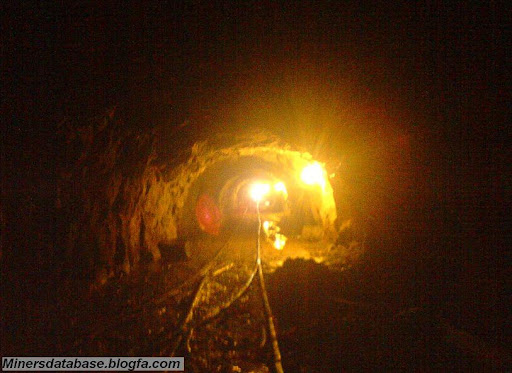
تونلهای احداثی در درون لایه اسکارن میباشند که توسط دو لایه گرانیتی و آهکی با شیب تقریبی 90 درجه قرار گرفته است و از این رو تشخیص کمر بالا و کمر پایین لایه ممکن نمیباشد.
همانگونه که گفتیم روش استخراج معدن از نوع انباره ای میباشد که توضیح داده خواهد شد و نحوه نگهداری آن هم از نوع خود نگهدار( self support ) می باشد که به واسطه استحکام اسکارن و سنگهای تشکیل دهنده ممکن شده است .
نحوه ایجاد کارگاه زون مرکزی به این شکل میباشد که ابتدا تونل را حفر کرده و سپس بونکرهایی را به صورت زیگزاگ برای پوشش دادن سطح کارگاه به فاصله 5 متر از هم قرار داده اند ابعاد این کارگاه به شرح زیر میباشد :
طول :70 متر عرض : 10 متر که با قرار دادن حدود 10 بونکر این سطح پوشش داده شده است .
در مقابل دهانه این بونکرها قطعاتی از چوب (بید) قرار داده میشود تا از پرتاب سنگها به بیرون از بونکر جلوگیری گردد و دلیل استفاده از چوب به جای آهن خاصیت انعطاف پذیری آن میباشد که اگر از آهن استفاده گردد احتمال خم شدن آن و وجود دارد .
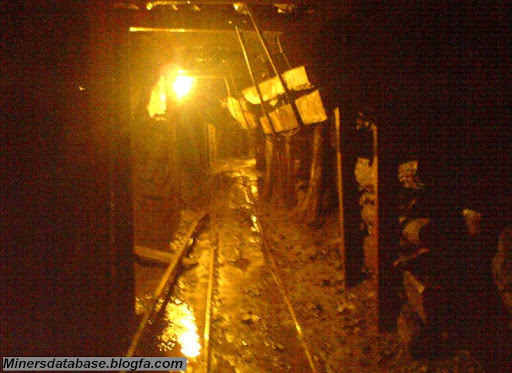
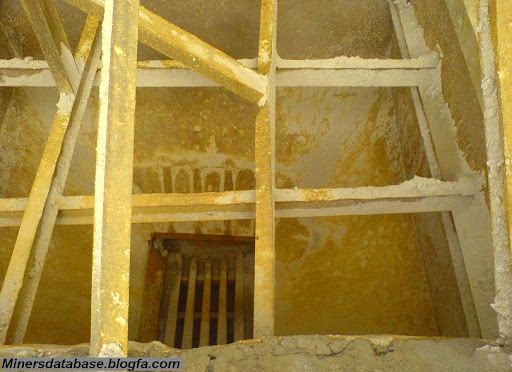
علاوه بر این ما در تونل شاهد یک دویل میباشیم که جهت تهویه و و دسترسی افراد به کارگاه ایجاد گردیده است.
انتقال مواد از داخل معدن به بیرون توسط واگنها انجام میگردد که توسط افراد یا دستگاهها حرکت میکنند.
مواد استخراجی به سنگ شکن مخروطی انتقال مییابند و خرد شده و در سیلو جمع میگردند سپس توسط نقاله به آسیاب گلوله ای وارد میشوند و تاحد مورد نظر خرد میگردند سپس با آب مخلوط گشته و با افزودن موادی شیمییایی به صورت شناور در آب در میآیند سپس ایم مخلوط به سلولهای پولیتاسیون ریخته میشوند که دو خروجی دارد که از یکی کنسانتره مس خارج میشود و از دیگری مواد زاید . در این کارخانه تغلیظ میتوانند مس را تا عیار 32 درصد تغلیظ کنند و سپس این کنسانتره ها بسته بندی شده و به کارخانه تغلیظ معدن سرچشمه ارسال میگردند در آنجا میتوانن عیار را به 98 و 99.5 درصد رسانده به کارخانه ذوب ارسال کنند تا به مصارف مختلف برسد.
تصاویر مربوط به سنگ شکن
بطور کلی هر چه ظرفیت آنها بیشتر باشد برای کار در معدن بزرگ بهینه ترند.منبع تغذیه آنها نیروی دیزلی و الکتریکی است.در زیر بزرگترین تراک وهمچنین توضیحاتی کلی در مورد این تجهیزات می خوانید.

موتور های دیزل درسته که ۷۰ ٪ انرژی رو تلف میکنن ولی ذخیره انرژی (سوخت یا گازوئیل) بسیار راحت تر ارزون تر و کم جا تره
موتور های الکتریکی با اینکه که ۳۰٪ انرژی تلف میکنن تا به انرژی مکانیکی تبدیل بشن ولی باید اینو در نظر گرفت که خود انرژی الکتریکی نهایتا توسط یک ژنراتور که نیروش رو از سوخت تهیه کرده و خود اون ژنراتور هم ۳۰٪ اتلاف انرژی داشته تا تبدیل به انرژی الکتریکی بشه و در انتقال هم ۱۰ ٪ رو از دست میده.

علت استفاده از نیروی الکتریکی این هست که میشه با هر گشتاوری که رو محور موتور اعمال بشه باز هم اون رو راه اندازی کرد.
اگر ظرفیت دامپ تراک بالاتر از 300 تن باشد اولویت با موتورهای الکتریکی است و حتی در هر چرخ یک موتور الکتریکی. به طور خلاصه برای اینکه توی این فشار به سیستم های انتقال نیرو فشار زیادی میاد. برای اینکه طول عمر بیشتر و زمان بین تعمیرات زیادتر بشه چاره ای جزء استفاده از موتورهای الکتریکی در هر محور یا حتی در هر چرخ نیست.
در این جور موارد هم اگه بخواهند نیرو را با الکتریسته و ژنراتور وارد کنند باز هم کیربگس وجود داره چون یک دور موتور الکتریکی در بهترین حالت در دورهای بالاتر ۹۰۰ دوره .
فرض کنید یه موتور الکتریکی چطور میتونه مثلا ۱ دور در دقیقه بچرخه و یه وزنه ۳۰۰ تنی رو از یه شیب ۳۰ درجه بالا ببره پس هیچ موقع برای همچنین مواردی یه موتور اکتریکی رو به چرخ مستقیم وصل نمیکنن
در رابطه با لاستیک هم باید گفت که تمام این گونه متحرک ها که مخصوصا در جاده های نا هموار راه میروند همیشه تو خالی و باد هستند بخاطر اینکه بتواندبراحتی بر روی سنگ ها و ناهمواری ها حرکت کنه.
لاستیک تو پر فقط برای مواردی خاص میتونه روی چرخهای عقب نصب بشه (جا هایی که دلیل پنچری فوق العاده بالاست و سرعت خیلی خیلی کم
(تقریبا لاستیک تو پر هیچ کجا استفاده نمیشه )
لاستیک دامپ تراک ها هم معمولا بادی هستند ولی با یک لاستیک بسیار ضخیم.
برداشته شده از http://www.exploration.blogfa.com/
روش استخراج انباره ای به طور عمده در مورد کانسارهای غیر لایه ای پر شیب به کار میرود . و از این لحاظ درکنار روشهای استخراجی مانند استخراج از طبقات فرعی ٬ vcr و تخریب در طبقات فرعی قرار میگیرد. که در دسته بندی هارتمن از روش استخراج انباره ای از روش بدون نگهداری مصنوعی نام برده شده است.
اساس این روش که روشی با استخراج در جهت رو به بالا و قائم میباشد انبار نمودن حدود 3/2 از سنگ معدنی خرد شده در فضای خالی کارگاه استخراج میباشد . هدف از این کار ایجاد یک سکو برای انجام عملیات استخراج توسط کارگران و خنثی کردن نیروهای سطحی وارد بر کمر بالا و پایین ماده معدنی می باشد .
پیش روی رو به بالا در داخل کارگاهها با برشهای افقی ماده معدنی انجام میگیرد . سنگ پس از استخراج نسبت به حالت بکر خود حدود 30 الی 40 درصد افزایش حجم پیدا میکند بنا بر این باید روزانه این مقدار حجم افزایشی به بیرون منتقل گرددیده و بقیه تا پایان عملیات استخراج به صورت انبار شده در درون کارگاه باقی می ماند
این روش به طور عمده روش دستی بوده و قابلیت مکانیزاسیون آن در قیاس با سایر روشهای استخراج بسیار اندک میباشد .
به سه دلیل عمده در روش انباره ای نمی تون از ماشین آلات مکانیزه استفاده کرد :
1 )سطح ناصاف ماده معدنی و عدم استحکام آن بعد از عملیات آتشباری
2 ) کوچک بودن فضا برای ماشین آلات بزرگ مکانیزه
3 )عدم تخلیه مواد خورد شده به دلیل فشرده شدن در اثر رفت و آمد ماشین آلات
شرایط کاربرد روش استخراج انباره ای:
این روش استخراج معمولا برای کانسارهای رگه ای باریک و در بسیاری از موترد کاتنسارهایی که سایر روشهای استخراج برای آنها قابل استفاده و یا اقتصادی نباشند به کار میرود .
ویژگی های مهم برای استفاده از این روش عبارتند از :
1) شیب :
زاویه شیب ایده آل برای کاربرد این روش 90 درجه میباشد و شیب های کمتر از 90 و تا حدود 70 درجه نیز برای استفاده از این روش مطلوب است . هرچه زاویه به 90 نزدیکتر باشد شرایط بهتری ایجاد میشود
علت این امر سادگی و روان تر شدن تخلیه مواد استخراجی تحت زاویه شیب میباشد .
2) ضخامت :
ضخامت رگه ای کانسارهای مناسب برای این روش از 1 تا 3 متر متغیر میباشد اما کاتنسارهایی که ضخامت آنها بین3 الی20 مترباشد مطلوب ترند .
انتخاب ضخامت در روش انباره ای خود به شرایط زیر بستگی دارد :
الف ) پایداری کانسار ب ) پایداری کمر بالا بدون نگهداری
3) یکنواختی :
کانسار باید نسبتا یکنواخت بوده و تغییرات شیب و ضخامت آن کم باشد . چرا که در غیر این صورت جریان مواد به سمت پایین در نقاطی که ضخامت کم می باشد کند شده و مانعی در جهت تخلیه مواد خواهد بود .
4) پایداری ماده معدنی :
در روش استخراج انباره ای کانسنگ باید کاملا مقاوم ٬ پایدار و مقاوم با شد .
استحکام ماده معدنی در این روش بیشتر از سایر روشها اهمیت دارد چراکه در این روش کارهای استخراجی بالای سر کارگر قرار دارد وبه منظور ایمنی بیشتر در این روش استحکام بیشتر ماده معدنی نسبت به سنگ دیوار بسیار حائز اهمیت میباشد .
ارتعاش حاصل از ماشین آلات چالزنی نیز میتواند هرگونه مواد سست ر ا به پایین بیندازد و مشکل ایمنی برای کارگران ایجاد نماید بنابر این ماده ی معدنی باید کاملا پایدار باشد و علاوه بر این پس از عملیات آتشباری و قبل از شروع عملیات چالزنی کار لق گیری کاملا انجام شود.
5) پایداری دیواره ها :
در این روش سنگ دیوار نیز باید محکم باشد ٬البته استحکام دیواره میتواند کمی پایین تر از استحکام ماده معدنی نیز باشد .
گاهی اوقات برای استحکام بیشتر دیواره ها در داخل کار گاه پیلار باقی میگذارند تا کارگاه بسته نشود .
6) خواص فیزیکی ماده معدنی :
مادهی معدنی باید فاقد خواص فیزیکی نامطلوب از قبیل خودسوزی ٬ چسبندگی ٬ و آبداری باشد .
ادامه دارد .....
 با سلام خدمت دوستان عزیز امیدوارم که حداقل تو اون مدتی که از این وبلاگ استفاده میکنید حوصلتون سر نره. این وبلاگ توسط گروهی از دانشجویان دانشگاه صنعتی سهند راه اندازی شده است و هدف ما از راه اندازی این وبلاگ معرفی هرچه بیشتر علم مهندسی معدن به خدمت شما عزیزان میباشد که امیدواریم خوشتون بیاد .